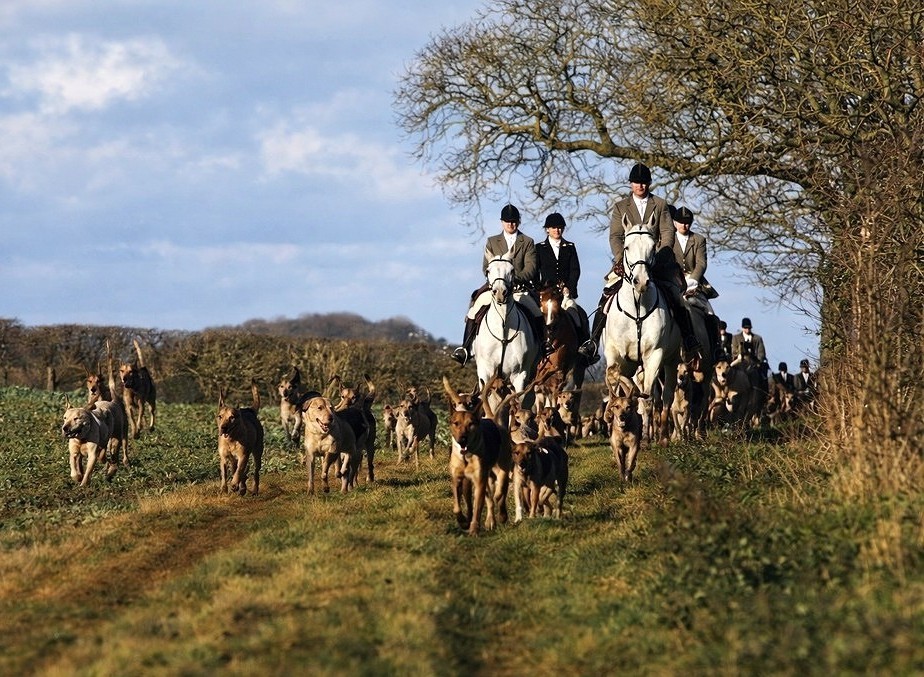
There are few sights more thrilling than a field of beautifully turned-out horses gathering on a crisp autumn morning, hounds milling about their feet, breath rising in the cold air and a stirrup cup being passed around. This year, for the very first time, I'm going to be part of it, and I can honestly say I haven't been this excited (or this nervous) since my very first hack.
Hunting has its own language, its own wardrobe and a set of unwritten rules that can feel daunting to a newcomer. So I've done my homework, asked a lot of questions and put together everything I've learned. Consider this my guide for fellow first-timers.
A little history
Hunting on horseback is one of Britain's oldest country traditions. For centuries it was the sport of kings and nobles, who hunted deer across royal forests. Foxhunting as we would recognise it took shape in the 18th century, when Hugo Meynell, Master of the Quorn in Leicestershire, began breeding faster hounds and hunting across open country at speed. With that came the gallops, the hedges and the thrilling cross-country riding that made hunting the social highlight of the winter.
The famous scarlet coats, often called "pink", became the hunt's signature. Legend has it the name comes from a tailor called Thomas Pink, though historians still debate it. Hunting also gave us much of our equestrian heritage, from the hunter as a type of horse to the tweed jacket and the hunting stock still worn in competition today.
Hunting live mammals with dogs was banned in England and Wales by the Hunting Act 2004. Since then, hunts have followed a pre-laid scent instead, known as trail hunting, while drag hunting uses an artificial scent and "clean boot" hunting follows the natural scent of a human runner. The sport remains a subject of strong opinion, and the rules are changing again: the government has announced it intends to ban trail hunting in England and Wales, while drag and clean-boot hunting would remain lawful. A consultation closed in June, and new legislation is still to come, so check with your hunt how it operates this season.
The dress code: what to wear and when
This is the part I've been most excited about, and the part that's most important to get right. Hunting dress is all about tradition, neatness and understatement. Nothing flashy, everything immaculate.
Autumn hunting: ratcatcher
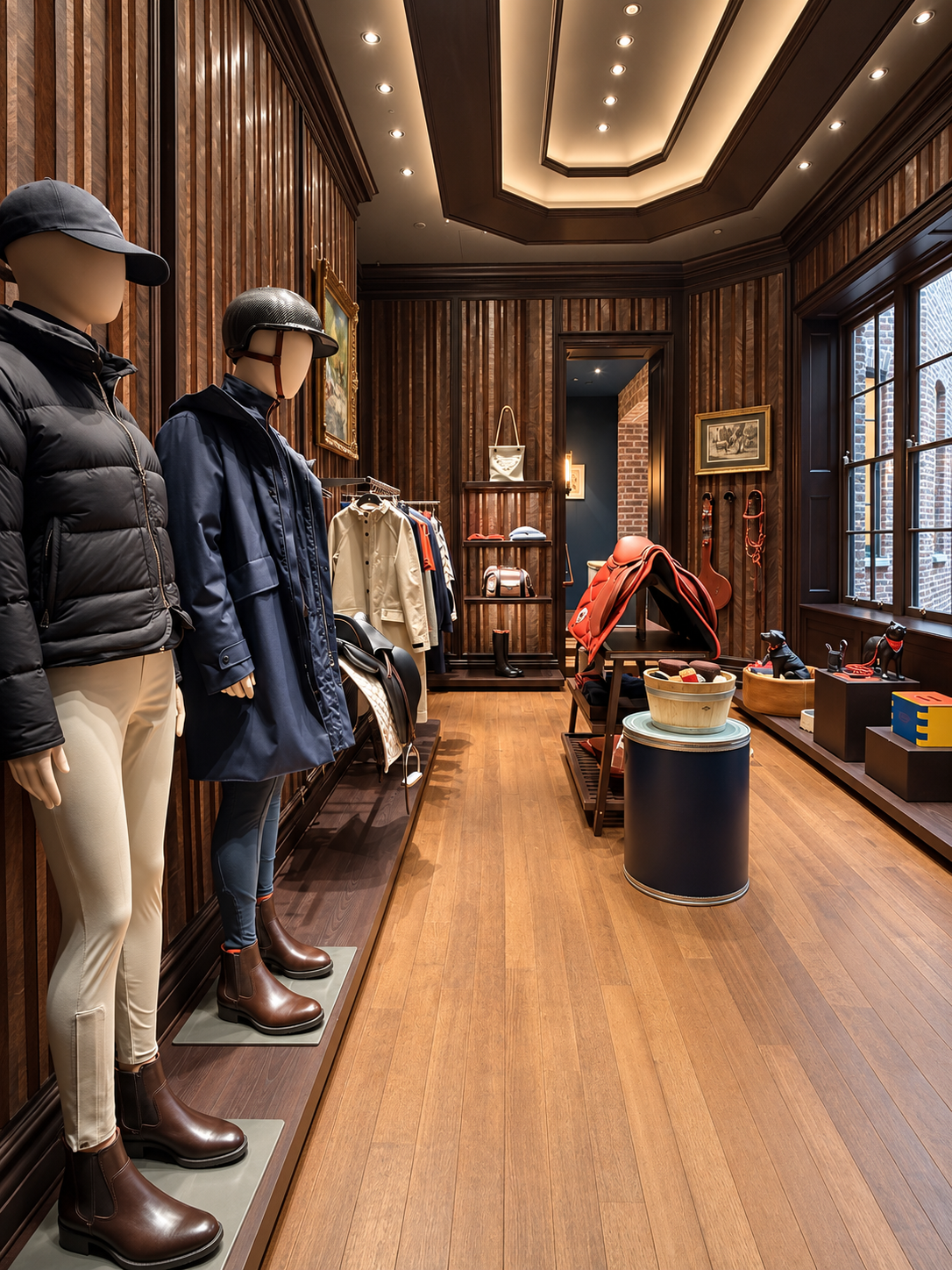
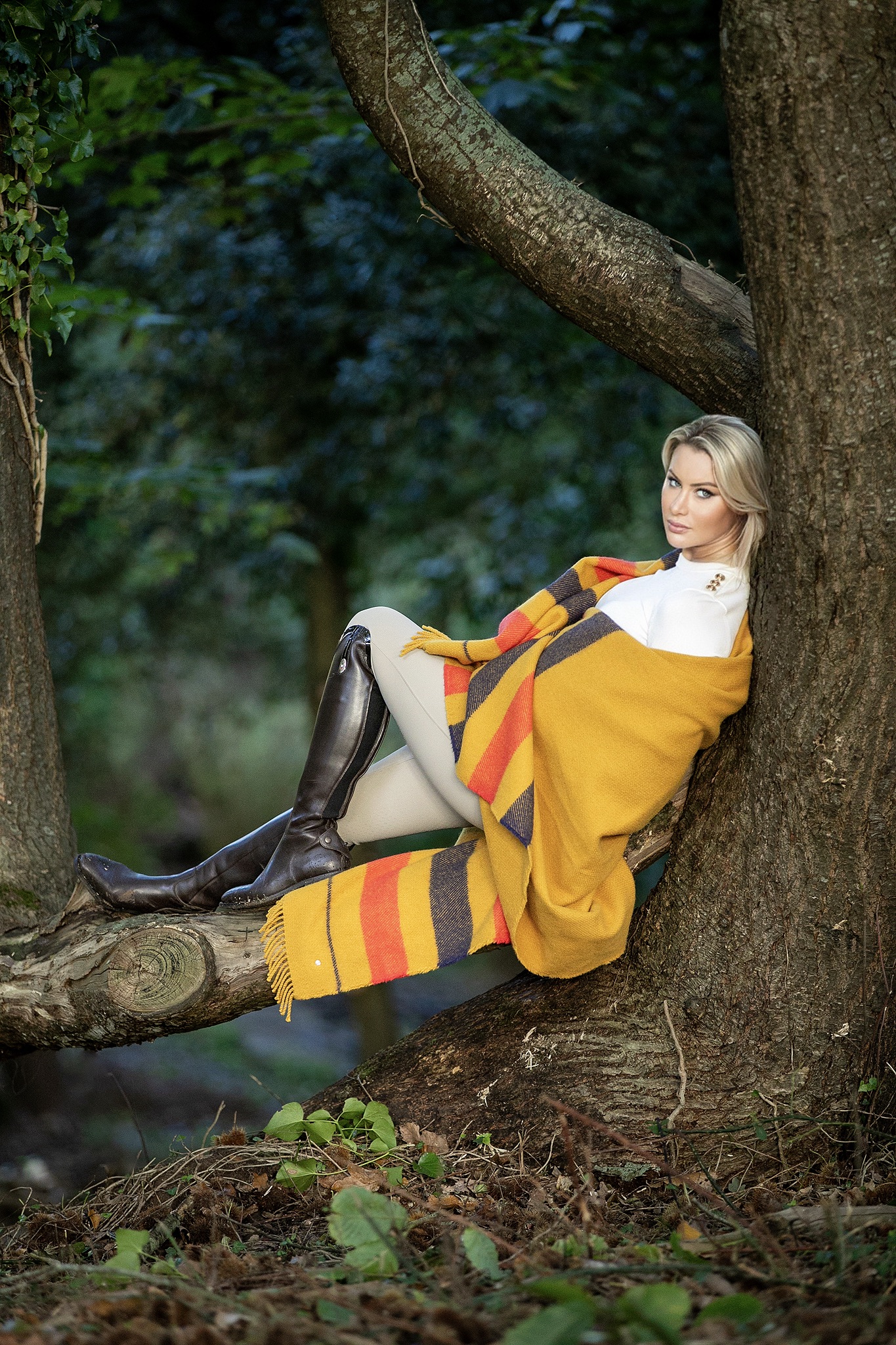
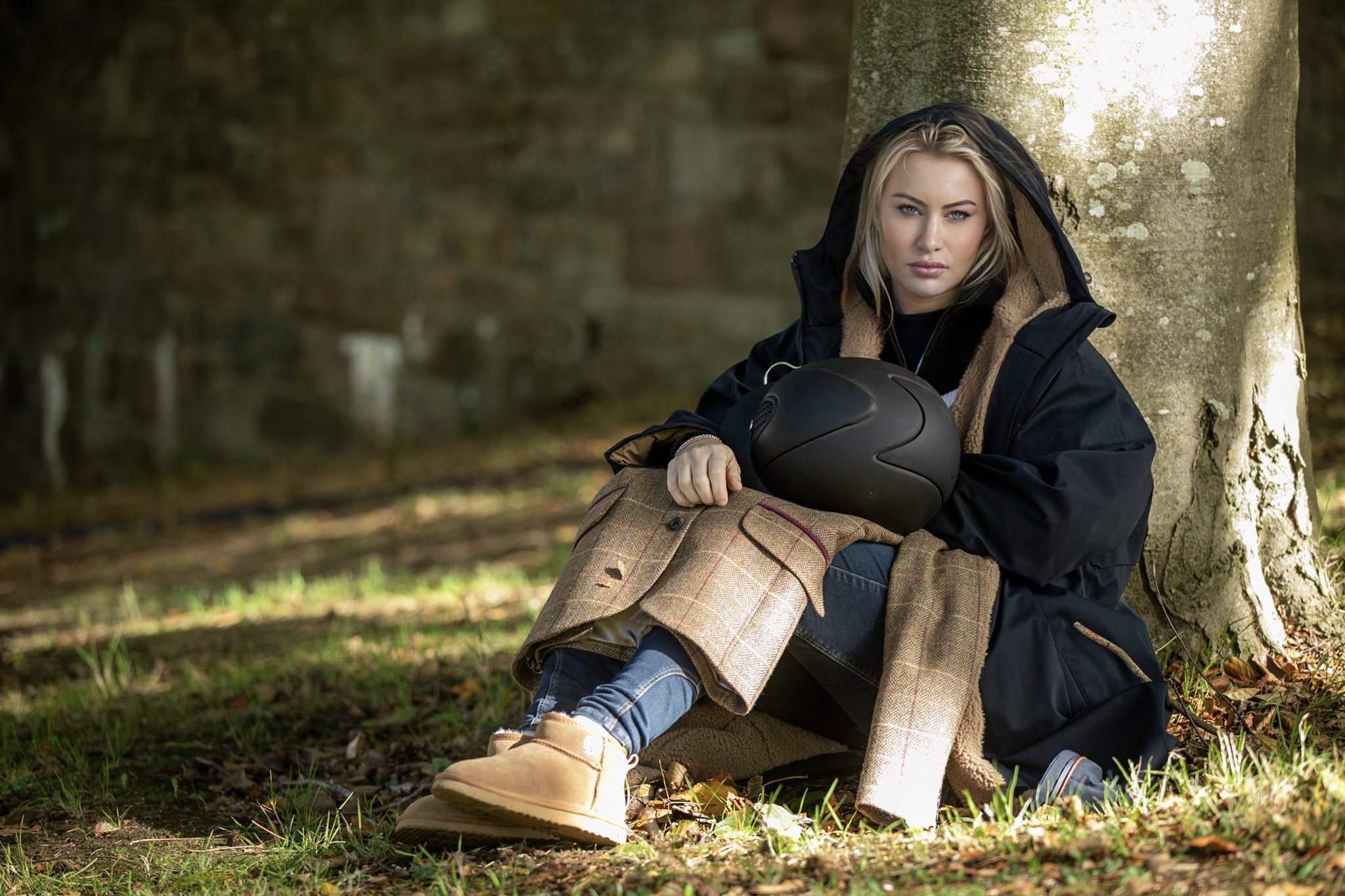
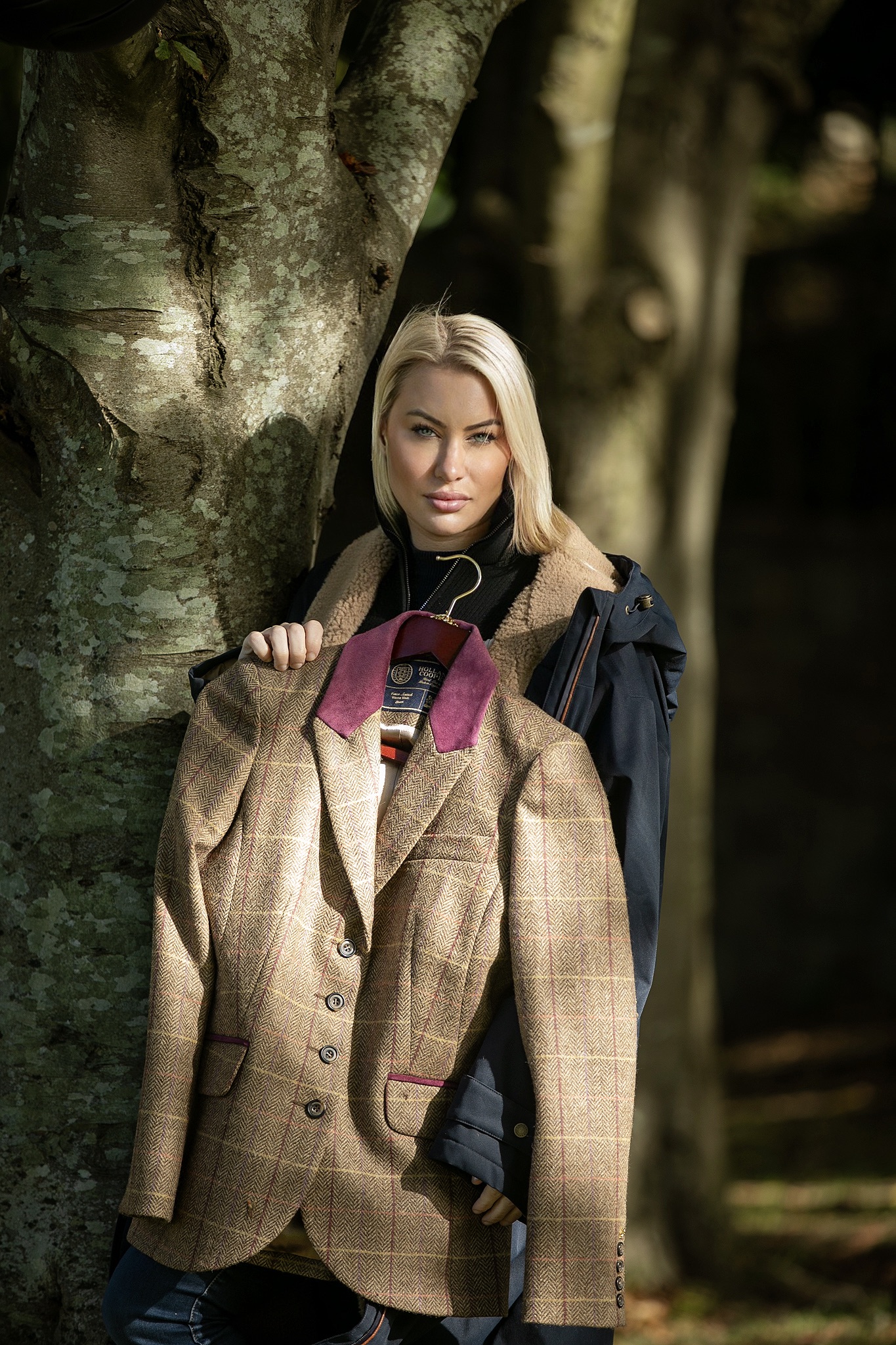
Early in the season, before the Opening Meet, the dress is "ratcatcher": a tweed hacking jacket, a coloured shirt with a tie or a coloured stock, buff or fawn breeches, and long brown or black boots. It's relaxed, elegant country dressing, and it's where my love of tweed finally comes into its own.
From the Opening Meet: formal dress
Once the main season begins, usually around late October or early November, it's time for full hunting kit:
A well-fitted black or navy coat
A white or cream stock, tied neatly and secured with a plain gold stock pin worn horizontally
Buff or beige breeches
Polished black long boots
A black or navy hat or riding helmet to current safety standards
Gloves, and your hair neatly in a hairnet or bun
The details that matter
Scarlet coats, coloured collars, hunt buttons and boots with brown tops are earned, not bought. They're awarded by the Masters to long-standing members, so as a newcomer, plain and simple is exactly right. Every hunt also has its own customs, so always ask the hunt secretary before your first meet.
Where my style comes in
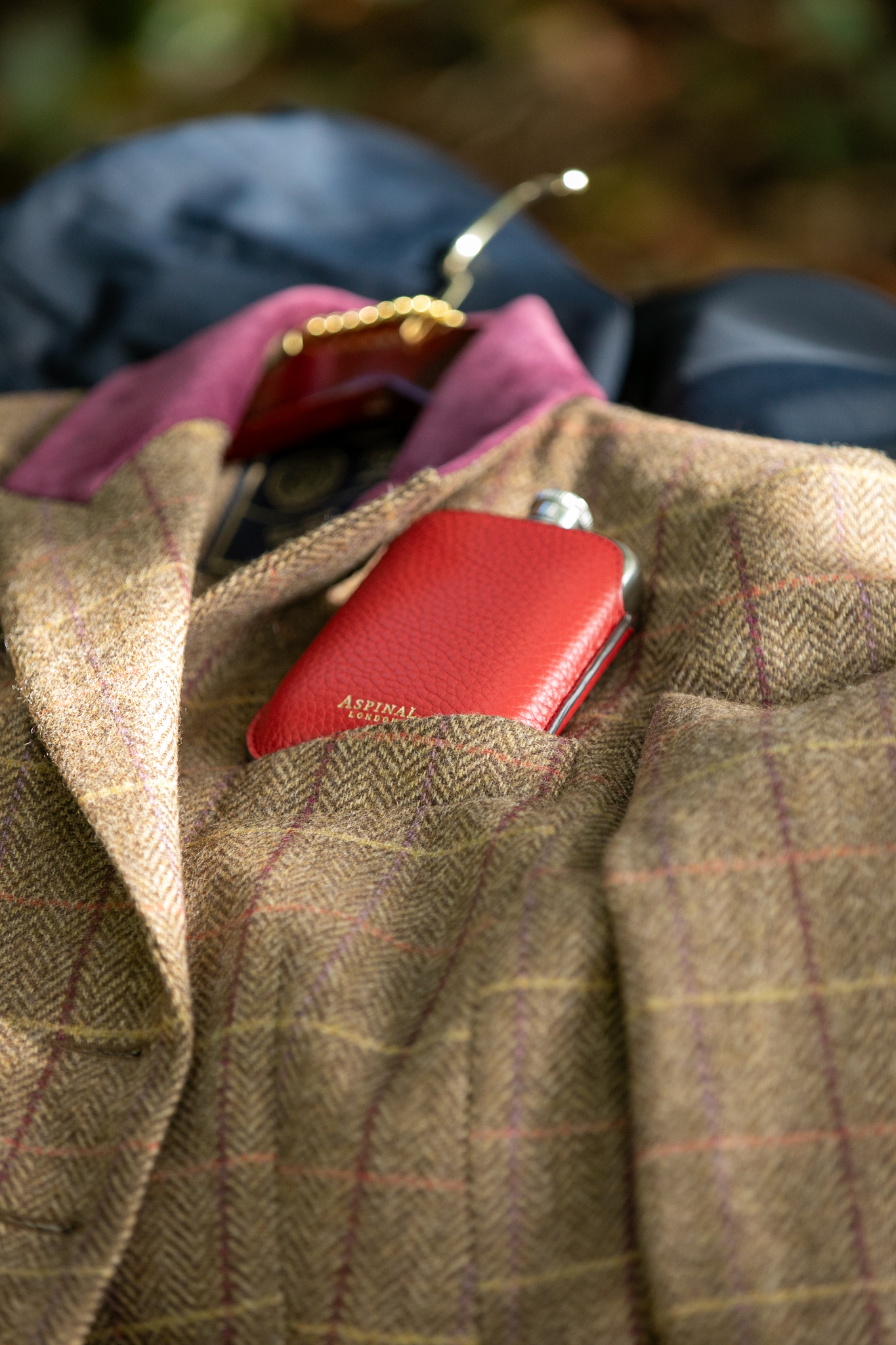
I'll admit it: the restraint is a challenge for someone who owns browbands in every colour of the rainbow. But there's real luxury in hunting dress: the quality of a beautifully cut coat, a soft leather glove, a gleaming boot, a silk stock. My little indulgences will be a gorgeous hip flask, a cashmere layer underneath for warmth, and the most beautifully polished boots in the field. And maybe, just maybe, a hint of orange on my socks, where no one will see.
Preparing your horse
A day's hunting can mean several hours out, crossing all kinds of country, so your horse needs to be fit, happy and well prepared.
Build fitness gradually. Start in late summer with long hacks, roadwork and hill work, so your horse can comfortably cope with a long day.
Choose the right horse. A sensible, experienced hunter is worth its weight in gold for a first season. If your horse is new to hunting, start with a short day and stay near the back.
Feet first. Book the farrier in good time and ask about studs for grip.
Clipping and grooming. Most hunters have a hunter clip or a blanket clip. Turnout should be immaculate: clean, trimmed and, for the Opening Meet, beautifully plaited.
Check your tack. Make sure everything fits well and is in good condition. A breastplate is common, and overreach boots are useful. Plain, clean, well-oiled leather is the look.
Ribbons. A red ribbon in the tail means your horse may kick; a green one means a young or inexperienced horse. Both are about keeping everyone safe, and there's no shame in using them.
Afterwards. Walk the last mile home, wash off the mud, check legs carefully for cuts and thorns, rug up warmly and give a well-earned feed. Your horse has worked hard.
Etiquette: the unwritten rules
Hunting etiquette is really about good manners, safety and respect for the countryside and the people who let you ride across it.
Before you go
Contact the hunt secretary in advance to ask if you may come, and to pay your "cap", the fee for a day's hunting as a visitor.
Arrive at the meet on time, with your horse calm and ready.
At the meet
Greet the Masters and the hunt secretary with "Good morning", whatever the time of day. It's tradition.
Introduce yourself if it's your first time. Everyone was new once, and people are usually very welcoming.
Accept the stirrup cup graciously; it's part of the fun.
Out in the field
Never pass the Field Master, who leads the mounted followers. Stay behind them at all times.
Never get in the way of the hounds or the hunt staff. If hounds pass close by, turn your horse's head towards them so there's no chance of a kick.
Close every gate behind you, or if someone ahead holds one, thank them and pass the word back.
Keep to the edges of fields and never ride over crops or seeded ground.
Slow down and say thank you to walkers, other riders and anyone you pass.
Leave your phone in your pocket. This is a day to be present.
Going home
If you leave early, find a Master and say "Good night", even if it's only lunchtime. It lets them know you're safely heading home.
Thank the Masters and the hunt staff for a lovely day.
A few final tips for first-timers
Go with an experienced friend, if you can, who can guide you through your first day. Start with a half day so neither you nor your horse is exhausted. Stay towards the back while you learn how it all works. Make sure your insurance covers hunting. And above all, remember why you're there: for the horses, the countryside, the tradition and the joy of galloping across open fields with friends.
I'll report back after my first meet. Wish me luck, and if you see me out there, I'll be the one in the very polished boots and the very big smile.