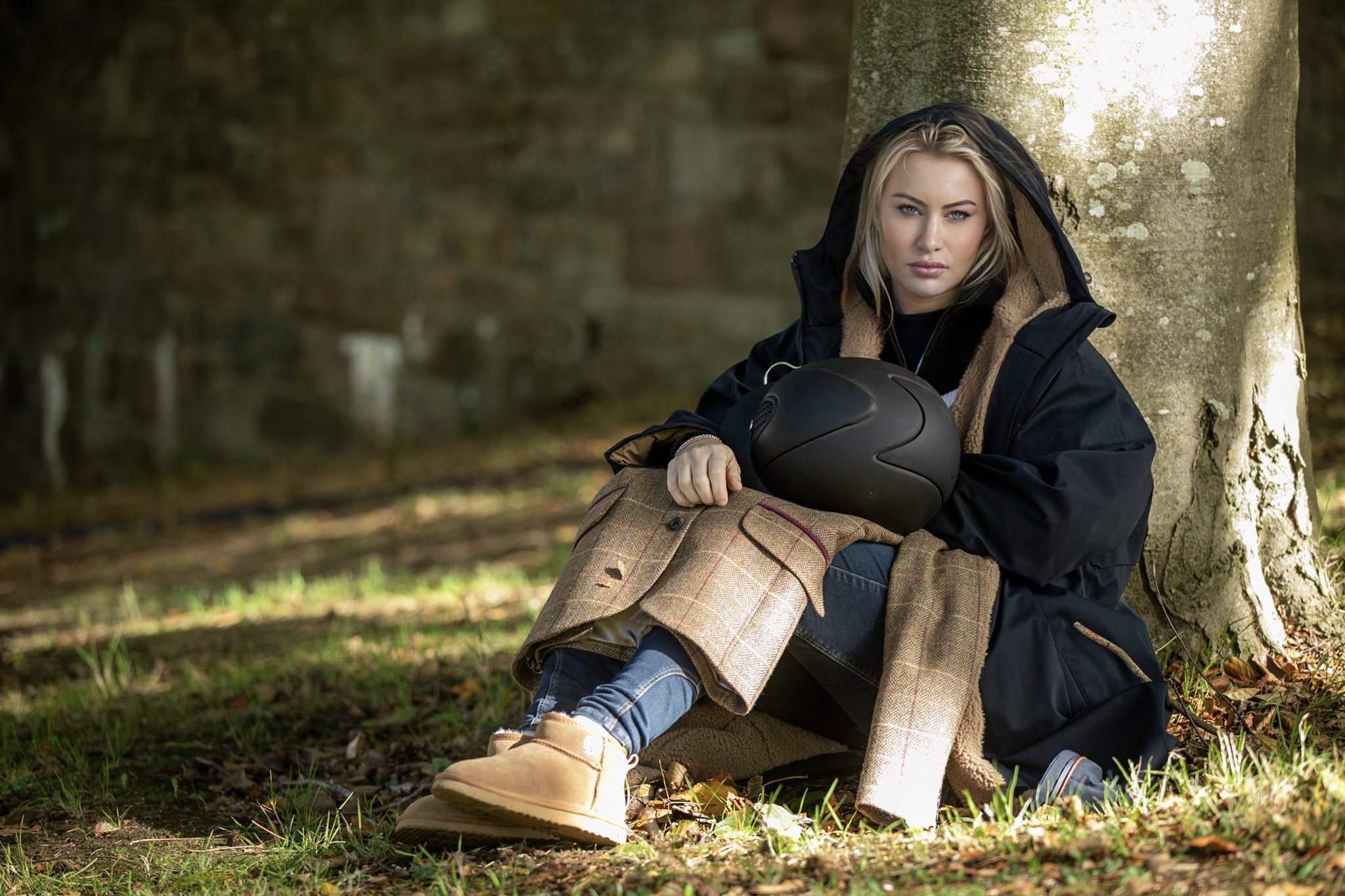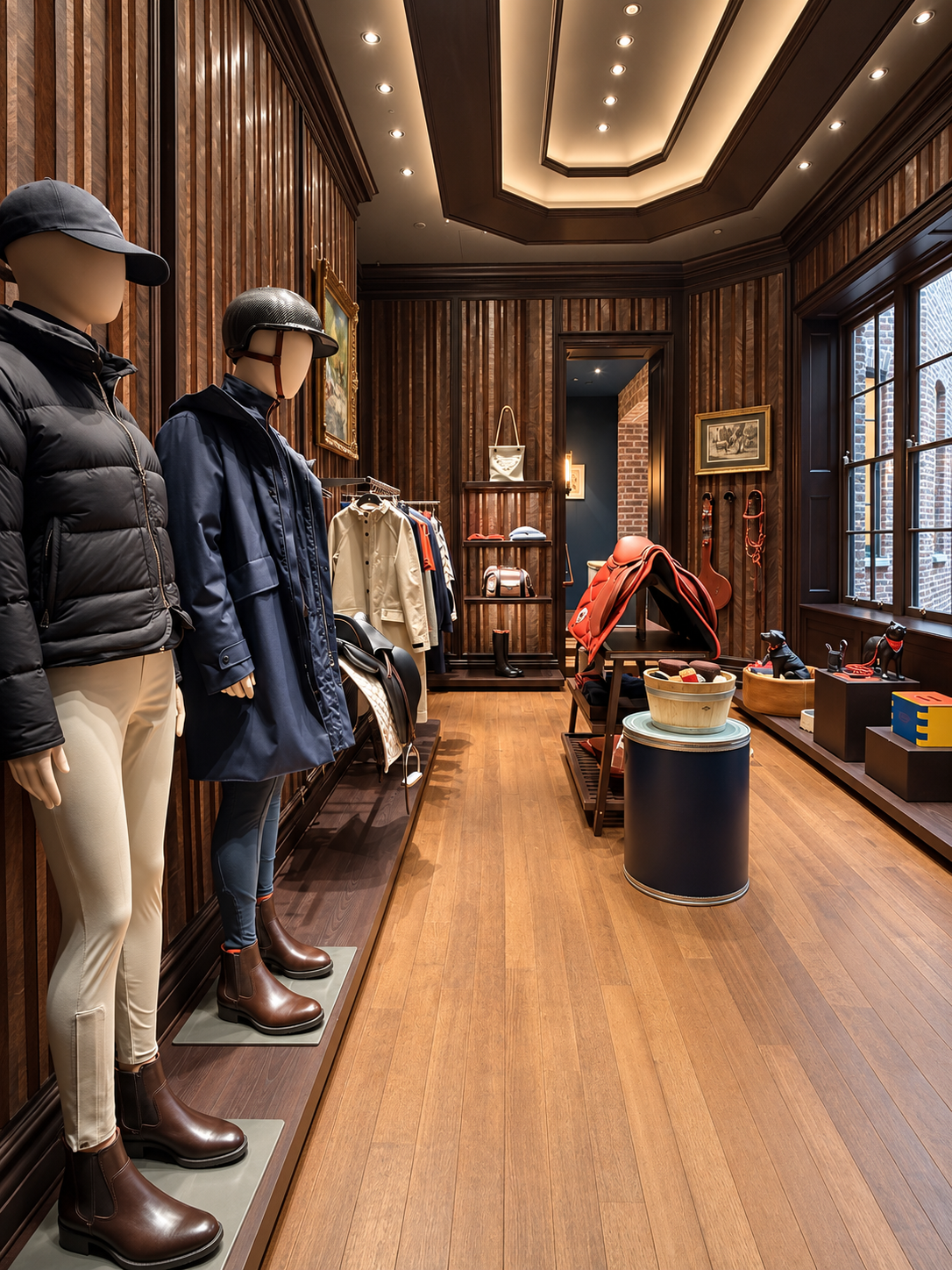
I can't fast-track the years, but I can make every hour count. They say it takes ten thousand hours to become an expert at anything. I did the maths. Riding every day, I'll be an expert show jumper somewhere around my mid-fifties. I'd like to say I took the news gracefully. I did not. I did however just start, found my beginning, began and kept going. I am not an expert, far from it, but I have achieved many meaningful milestones in one year of horse riding.
Here's what the ten-thousand-hour rule doesn't tell you: it says nothing about how those hours have to look. I can't fast-track years in the saddle. What I can do is make every one of my hours count, with brilliant horses, the right equipment, an exceptional team and coaching that doesn't let me get away with much. That isn't cheating. It's simply my route. Learning comes in all sorts of forms, and I've chosen mine to be as technical as possible, as quickly as possible, as glitzy as I can make it and, above all, bursting with joy, the kind that has me grinning from ear to ear before I've even reached the arena. If I'm going to spend many hours on something, I intend to love every single one of them. Of course there are the down days and the days where I momentarily question everything but riding has something addicting that keeps you sucked in. I’ve been contemplating lately what it is about riding that keeps me coming back, and I think it’s a mix of things that are hard to find anywhere else outside of having a marriage and a family. For me, it starts with the partnership. Riding isn’t something you do alone; it’s something you do with a horse, and the trust you build together is what makes it so special. Those moments when everything clicks and we’re truly in sync are the ones I hold on to. It’s also a challenge that never ends. There’s always something to work on, whether it’s my position, my confidence or the next goal I’ve set myself, and every small breakthrough feels like a real achievement. I don’t think I’ll ever stop learning, and I love that. Riding is my escape, too. When I’m in the saddle, I have to be completely present, and everything else just fades away. Being outdoors, feeling the seasons change and breathing in the fresh air clears my head in a way nothing else can. Then there are the people. The friendships I’ve made through horses, the laughter at the yard and the shared passion with others who understand it all mean so much to me. And of course, there are the horses themselves, with their personalities, their funny little quirks and the bond that grows a little stronger every day. Once you’ve felt that connection, it’s very hard to imagine life without it.
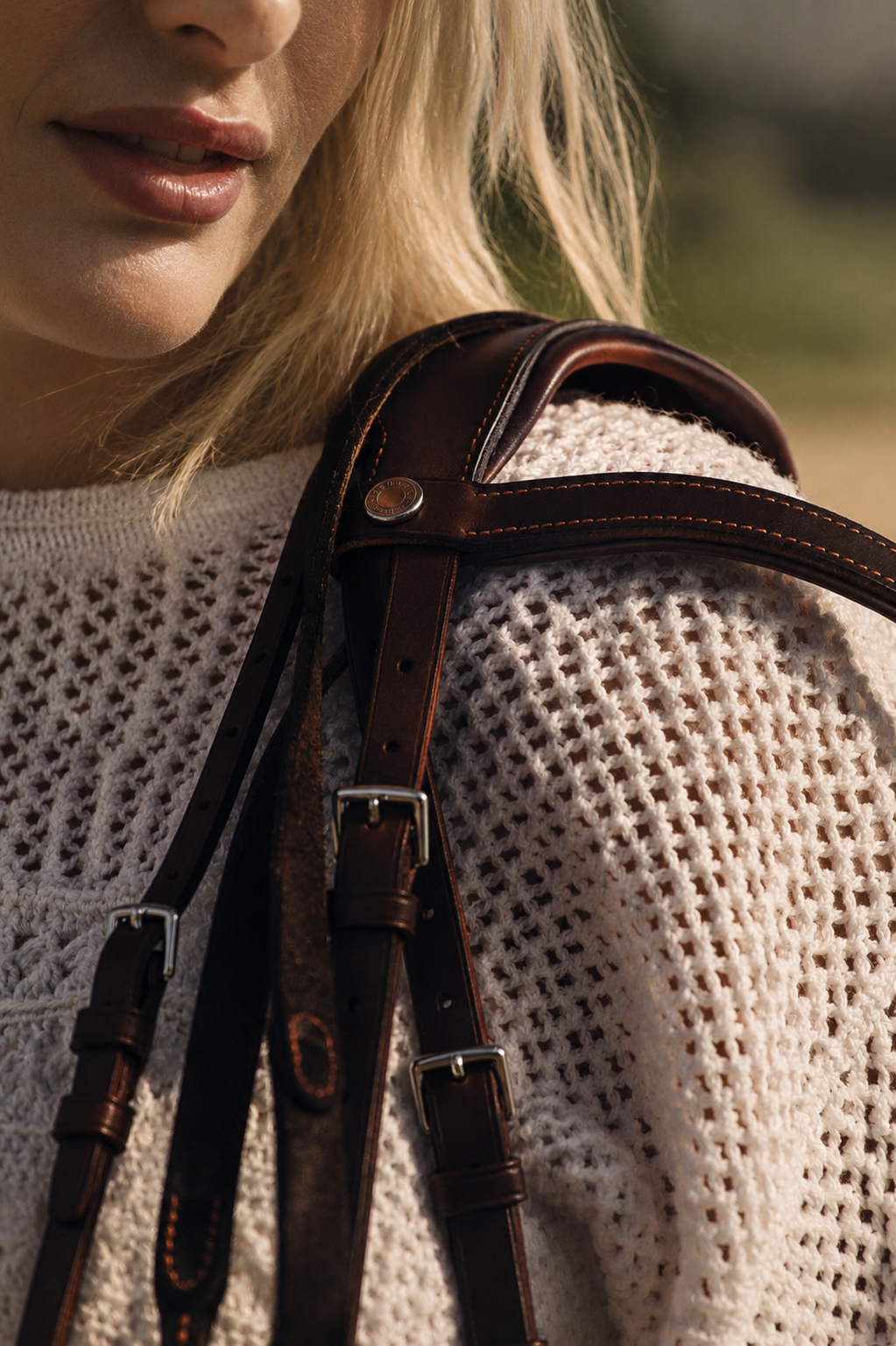
Everyone assumed she could ride: When we bought Hollybank, a forty-acre equestrian estate, people made a perfectly reasonable assumption: whoever had taken it on must be a brilliant rider. The truth was far from that. I'd stand in the yard feeling like a guest at my own party, waiting for someone to ask to see my credentials. That feeling doesn't vanish overnight. But I've learned that the fastest way to stop feeling like an imposter is to do the work until you aren't one. Thankfully, I have a brilliant team beside me, with the experience I'm still building, and every day they help me close the gap a little more. Being open and honest about where I'm starting from has been the key. Say it out loud, gather people who truly get it, and the journey becomes so much richer.
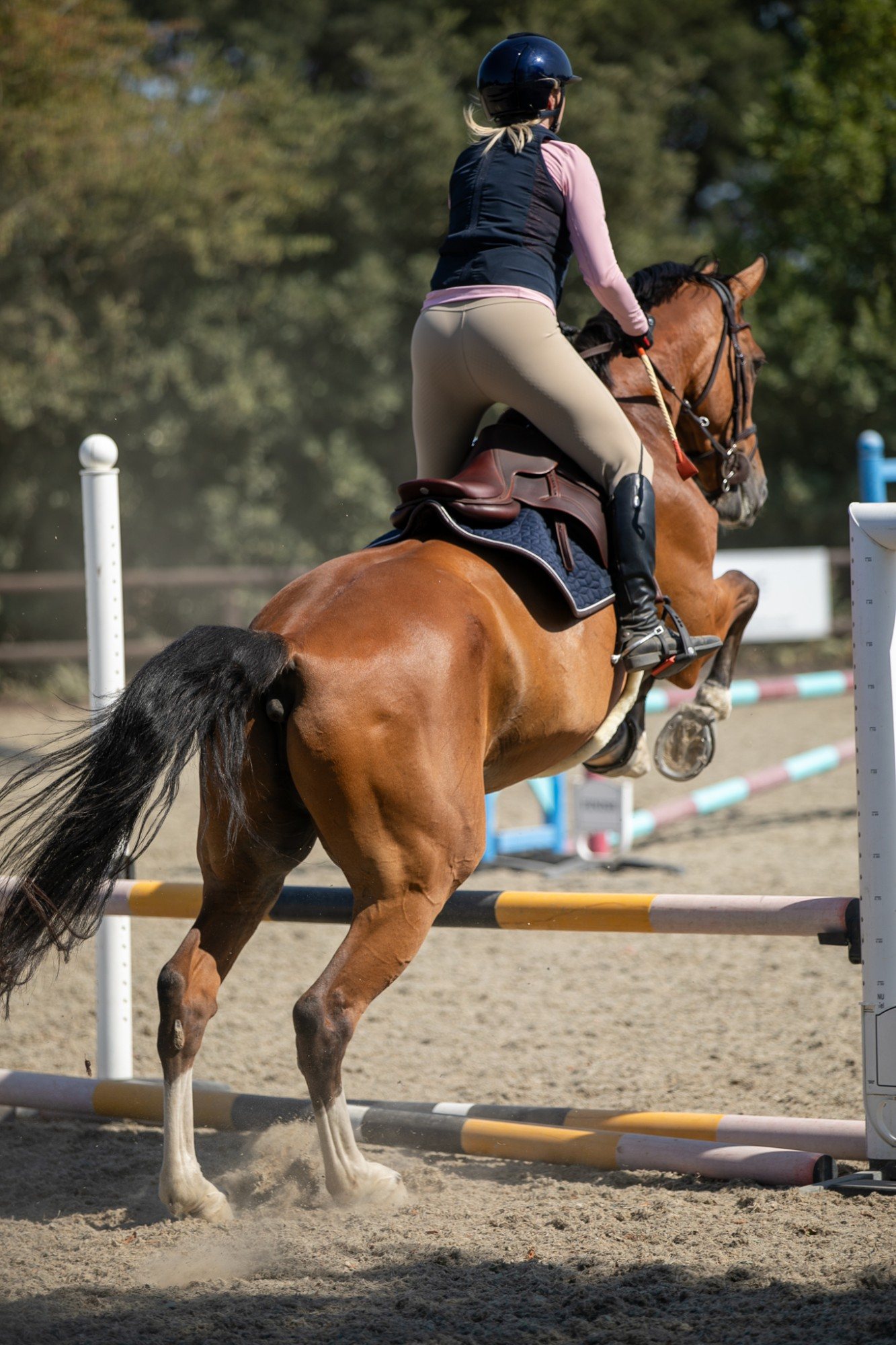
What jumping actually involves: From the ground, show jumping looks like a horse and rider sailing over a fence. From the saddle, it's about twenty things happening at once, most of which I'm still learning to do without thinking. There's the jumping position: folding forward from the hip, weight sinking into the heel, back flat, without collapsing onto the neck or getting left behind. There's the release, where you give the horse enough rein to use its head and neck over the fence without throwing the contact away. There's seeing a stride, the mysterious art of knowing, several strides out, whether you're meeting the fence right or need to adjust. And then the lines and related distances, where five strides between two fences means five, not four and a hopeful leap. Of course, none of that is where I started. My starting point was clinging to the neck strap for dear life, eyes shut, legs flapping and a small prayer on every approach. From there came grabbing a handful of mane instead, then keeping my eyes open, then actually looking where I was going. Each tiny step felt like a gold medal at the time, and in a way, it was. In the beginning, simply moving up from trot to canter felt like an enormous leap. Now the progress comes in the smallest of details: the slightest squeeze of the fingers on the rein a fraction more weight in the heel, an exhaling breath at the right moment before the fence. These micro movements are where the real improvement lives, and mastering them is what turns a good rider into a great one. The challenge at this stage, which is exactly where I am now, is not losing sight of the bigger picture. It's easy to get so absorbed in the detail that you forget why you started: the love of it, the thrill of the jump and the sheer joy of doing it at all. I try to hold onto both.
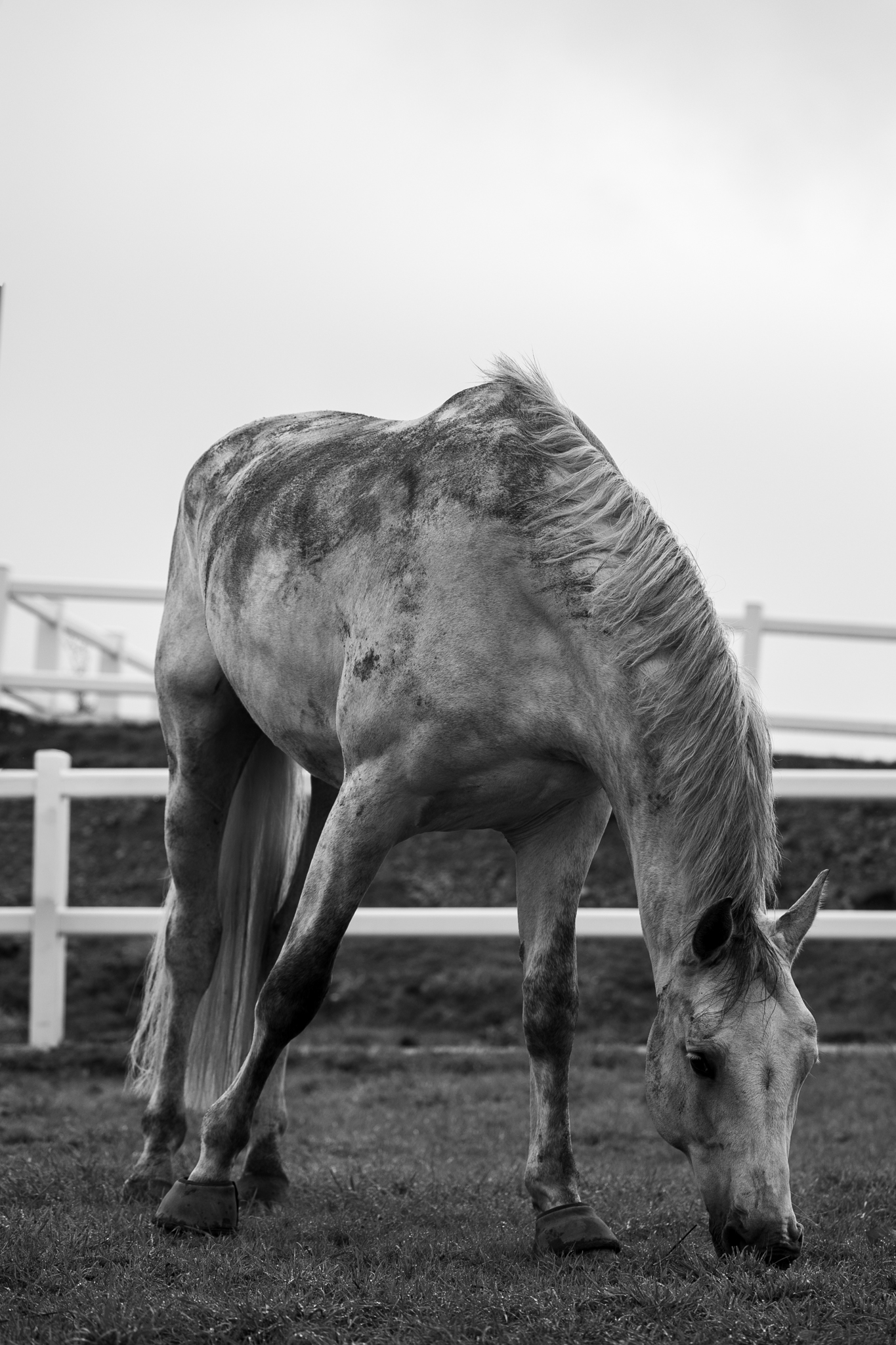
Compartmentalising is one of the most useful skills I’ve learned, both in life and in the saddle. It simply means putting each part of your life into its own box, so that work worries, family stresses or a bad day don’t come with you when you get on your horse.
It matters so much in riding because horses are incredibly sensitive. They pick up on tension, distraction and nerves almost instantly, so if your mind is elsewhere, your horse will feel it. In show jumping especially, where everything happens quickly and every stride counts, you need to be focused, calm and fully present. A clear head means clearer aids, better decisions and a more confident ride, for both you and your horse.
So how do you actually do it? I find a little ritual helps. The drive to the yard, grooming and tacking up can all become a gentle transition, a moment to let the day go and start tuning in to your horse. Some riders take a few deep breaths before mounting, others mentally “close the box” on whatever is worrying them and promise themselves they’ll come back to it later. Once you’re on, keep your focus on the here and now: the feel of your horse, your breathing, the next fence and nothing else.
At a show, it’s just as valuable. Walk the course, make your plan, then let go of the nerves, the other competitors and what might go wrong. Concentrate on one fence at a time, and if something doesn’t go to plan, leave it behind you and ride the next one well.
Like anything, it takes practice, but the more you do it, the easier it becomes and I am still learning to get better at it. The reward is worth it: calmer, happier rides and a much stronger connection with your horse.
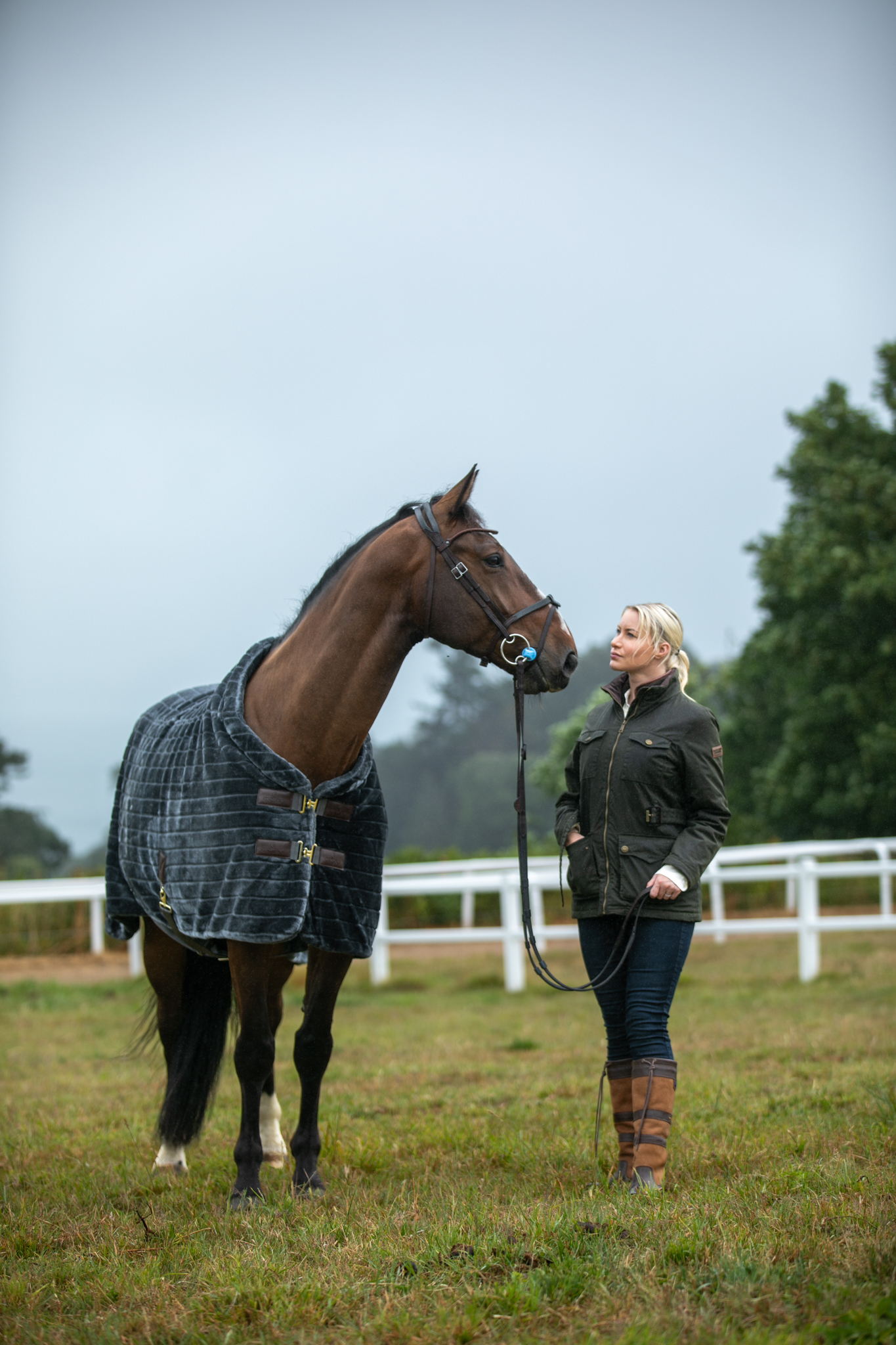
Why it's worth every hour: It's been, without exaggeration, the most invigorating thing I've ever done. Every session there's a moment, sometimes just one stride long, where it all comes together: the rhythm is right, the distance appears, the horse lifts, and for a second I feel exactly what the professionals feel. Then I usually forget to look at the next fence. But that second is enough to bring me back the next morning. And then there's competition day. Nobody warns you about the pressure you'll put on yourself: the knot in your stomach at the warm up, replaying the course in your head, wanting so badly to do yourself, your horse and your team justice. For about eighty-five seconds the whole world shrinks to the next stride, the next turn, the next breath, the next fence. But when it all comes together, the poles stay up, the clock is kind and you ride out with a clear, winning round, every nerve, every early start and every "again" suddenly makes sense. That feeling is what you do it for. So I'm not an expert. Not yet. I've got roughly nine thousand hours to go. I just intend to spend them well, beautifully dressed, on good horses and with pride that learning is a process worth starting and worth maintaining.